About
I grew up on a campground in the Okanagan. By 27, I was running the second largest nightclub in BC.
I started as a kid collecting beer empties at the campground on August long weekend. Making four or five hundred bucks before I was old enough to drive.
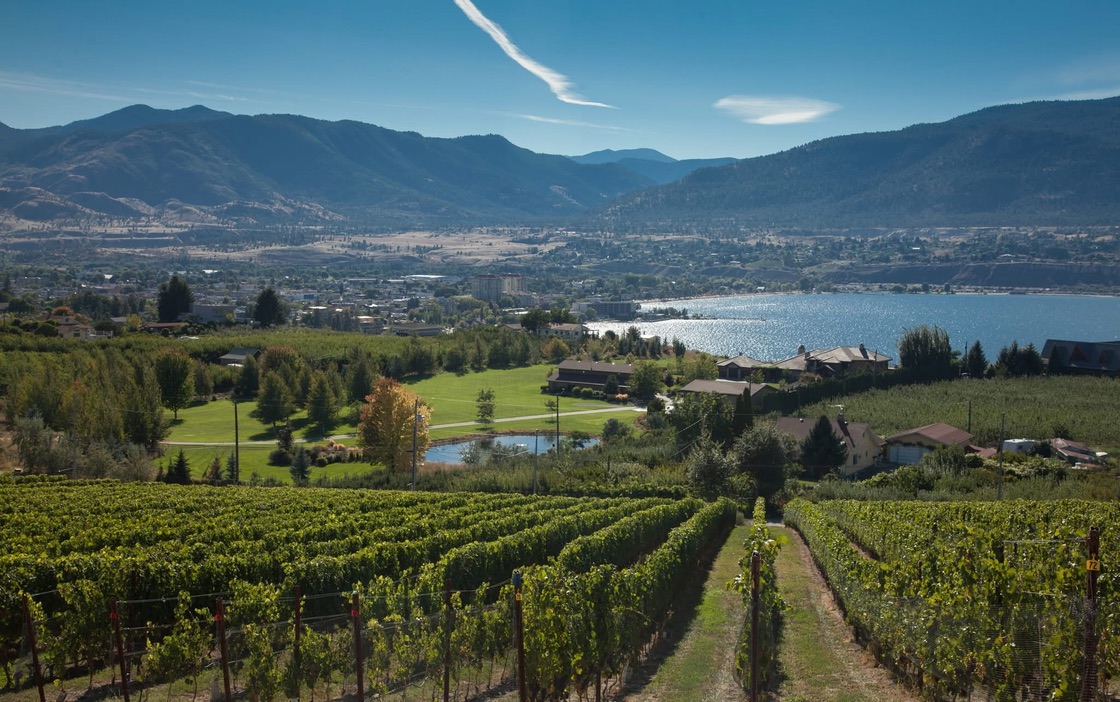
My family ran a campground and motel in Penticton, BC. Seventeen acres. My mom managed the property while raising four kids. My dad worked in the bush running chainsaw, then became a winemaker. I grew up watching people figure things out with what they had.
That stuck with me.
The Arc
By my early twenties, I had an entertainment company doing pub crawls and golf tournaments. That led to club promotions, where I walked into a nightclub and increased their sales by six figures in two months. When I came back with a bigger contract, the owner dragged his feet. While he was deciding, the opportunity came up to take over a different venue. I found a partner, raised the capital, and at 27 years old we took over the second largest nightclub in British Columbia.
We didn't even have enough money to cover payroll for the first two weeks, so failure wasn't an option. Turns out I didn't need to worry.
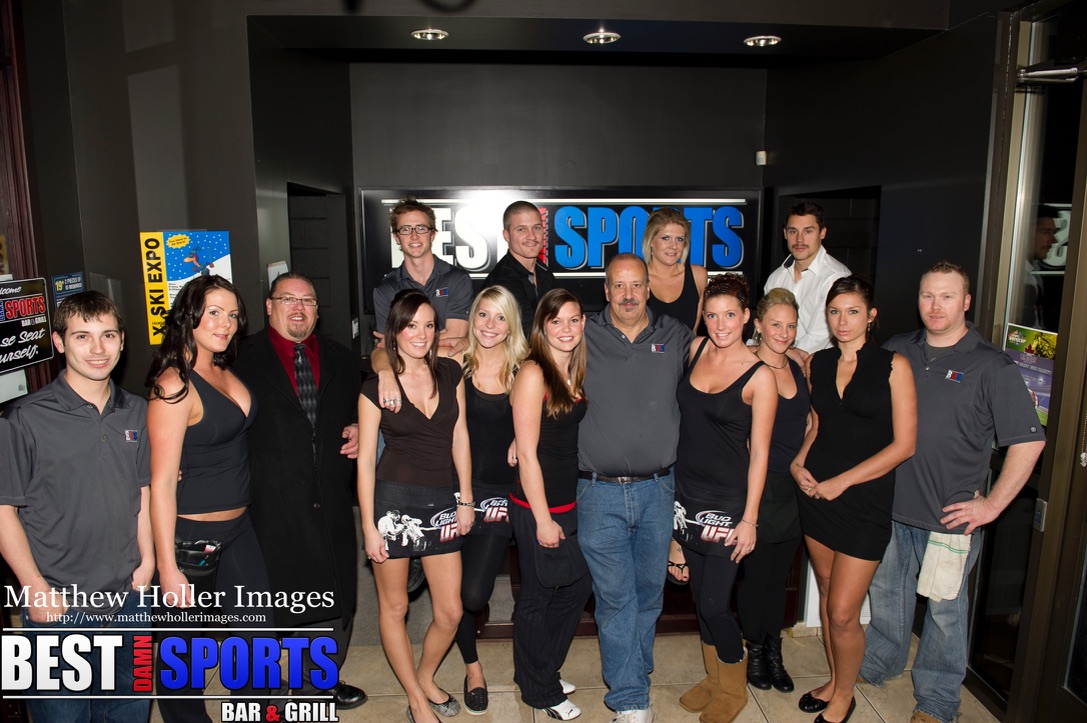
From there, a sports bar. About ten years total in hospitality, learning how to run operations, market aggressively, and deal with chaos every night.
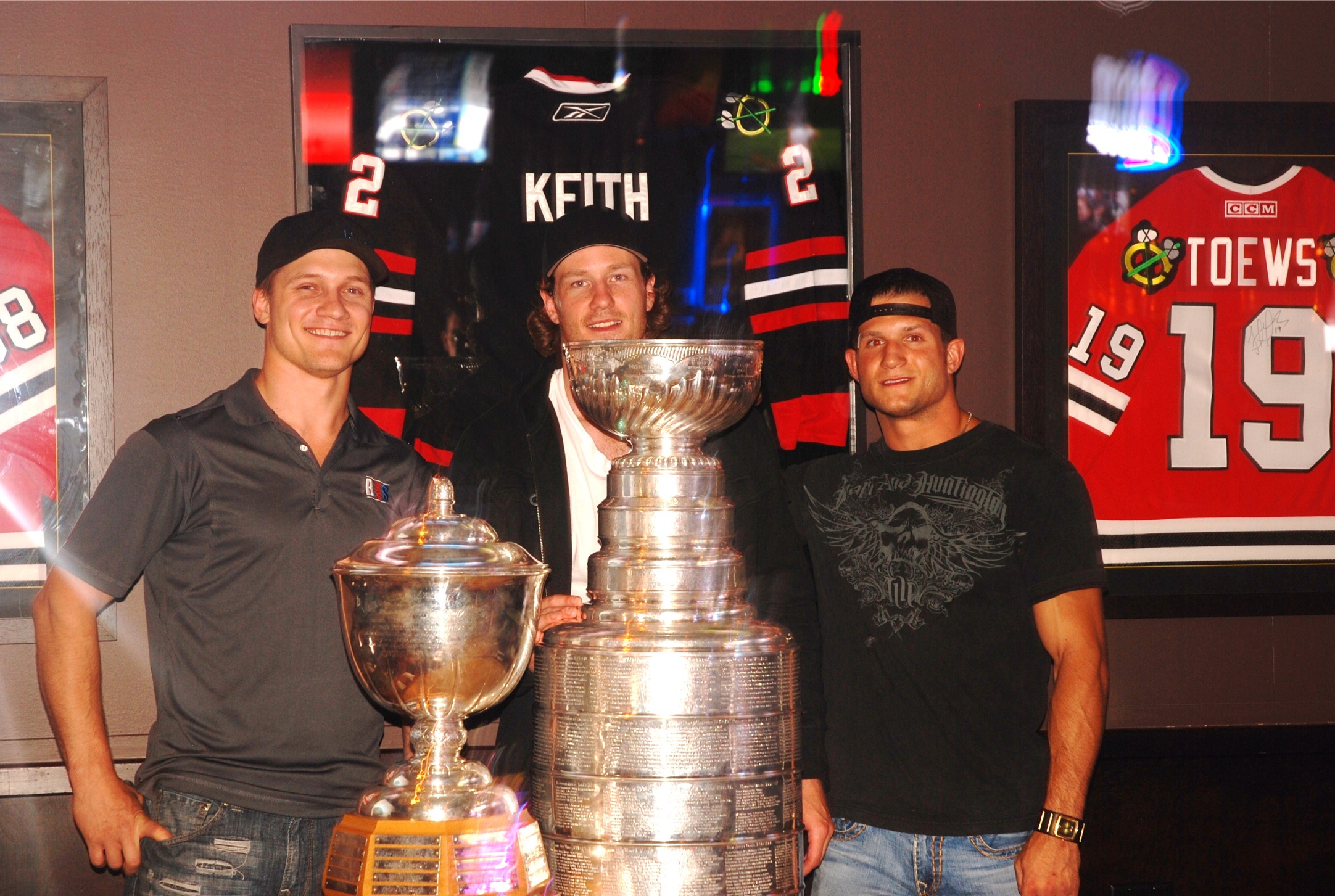
It was at the sports bar that I met the person who changed my trajectory. One of my regulars was a titan of the construction industry. He'd founded and built one of the largest construction companies in Canada, with billions of dollars in major infrastructure projects under his belt: hydroelectric dams, water treatment facilities, large-scale industrial developments. He called me up one day and said, "I like you. I like your vision for Penticton. I want to invest in you. What are we going to build?"
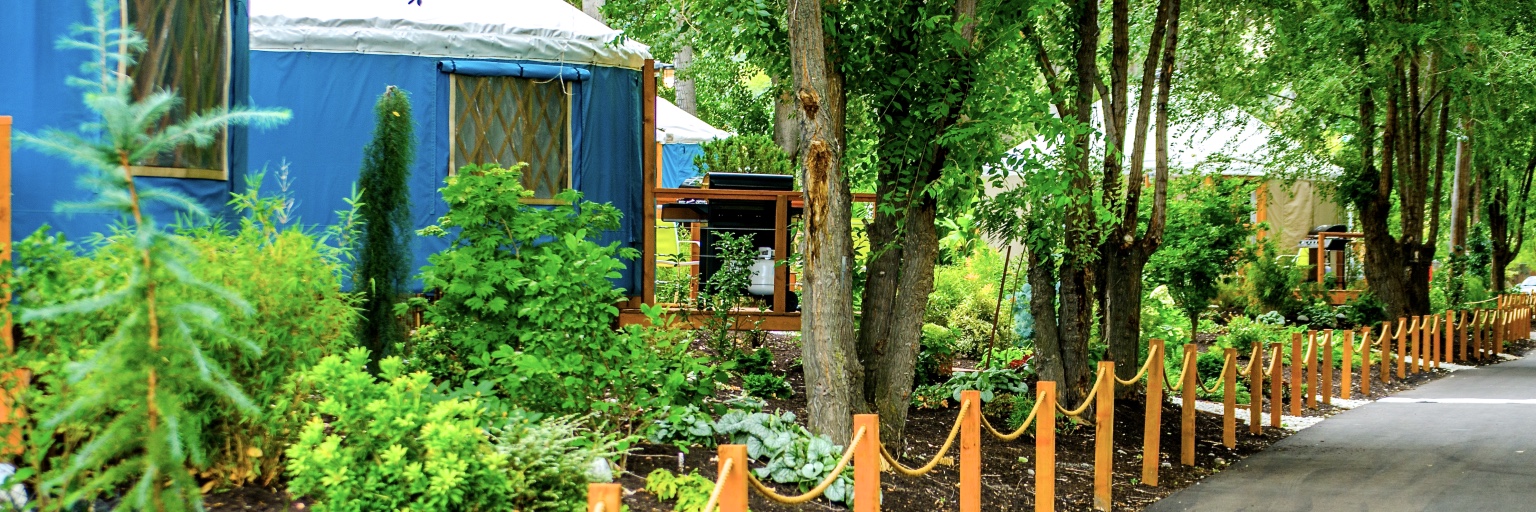
I asked for two weeks. I came back with a vision for a beach resort built around luxury yurts. He pointed me at a run-down 11-acre property on the shores of Skaha Lake and said, "If you can secure that site, I'll back you."
Securing it meant navigating five levels of government: Transport Canada, INAC, the Penticton Indian Band, the Ministry of Transportation, and the City of Penticton. We got it done. Barefoot Beach Resort opened in 2013 with rental yurts, campsites, and eventually 11 different businesses operating on the property. It's still running today.
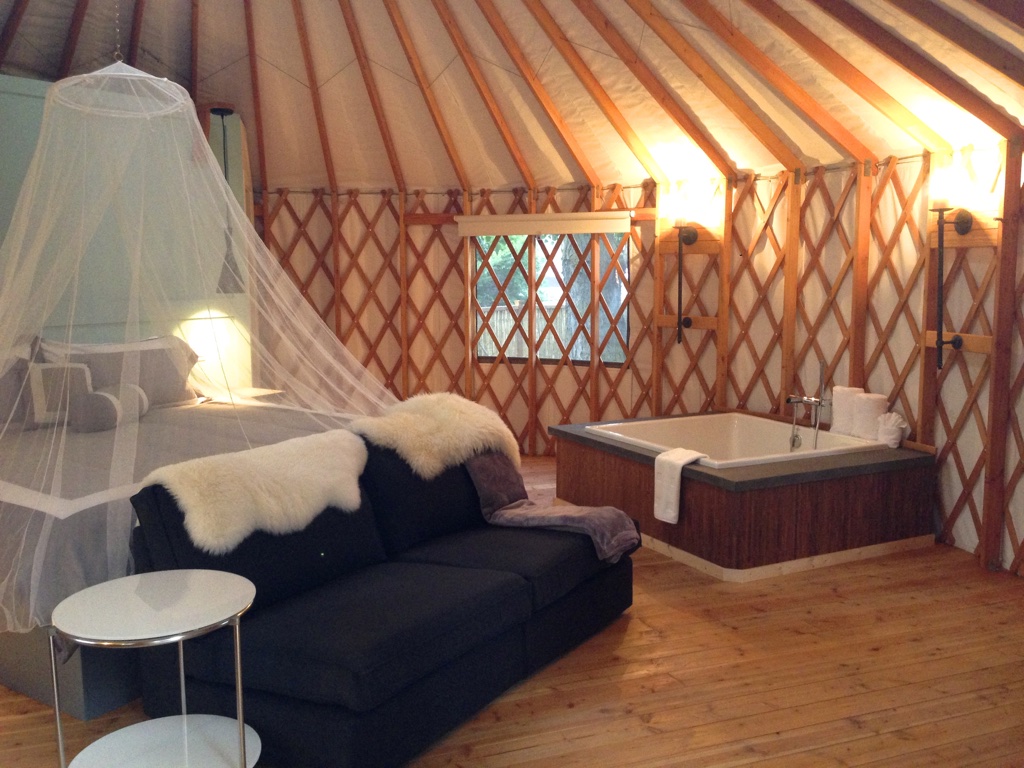
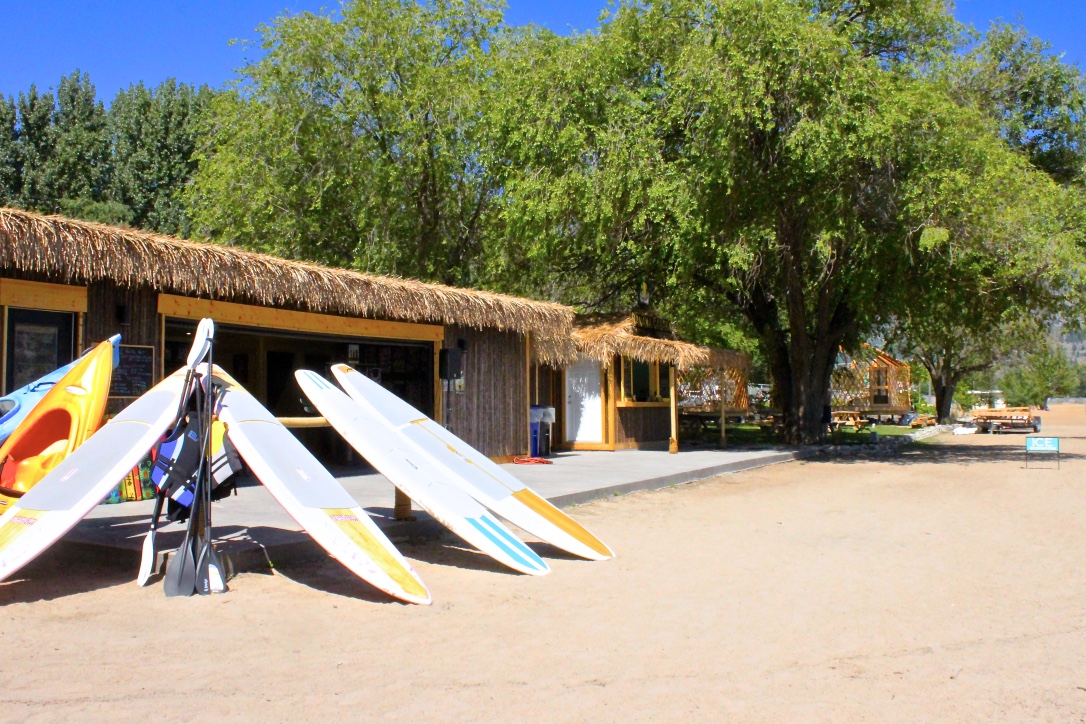
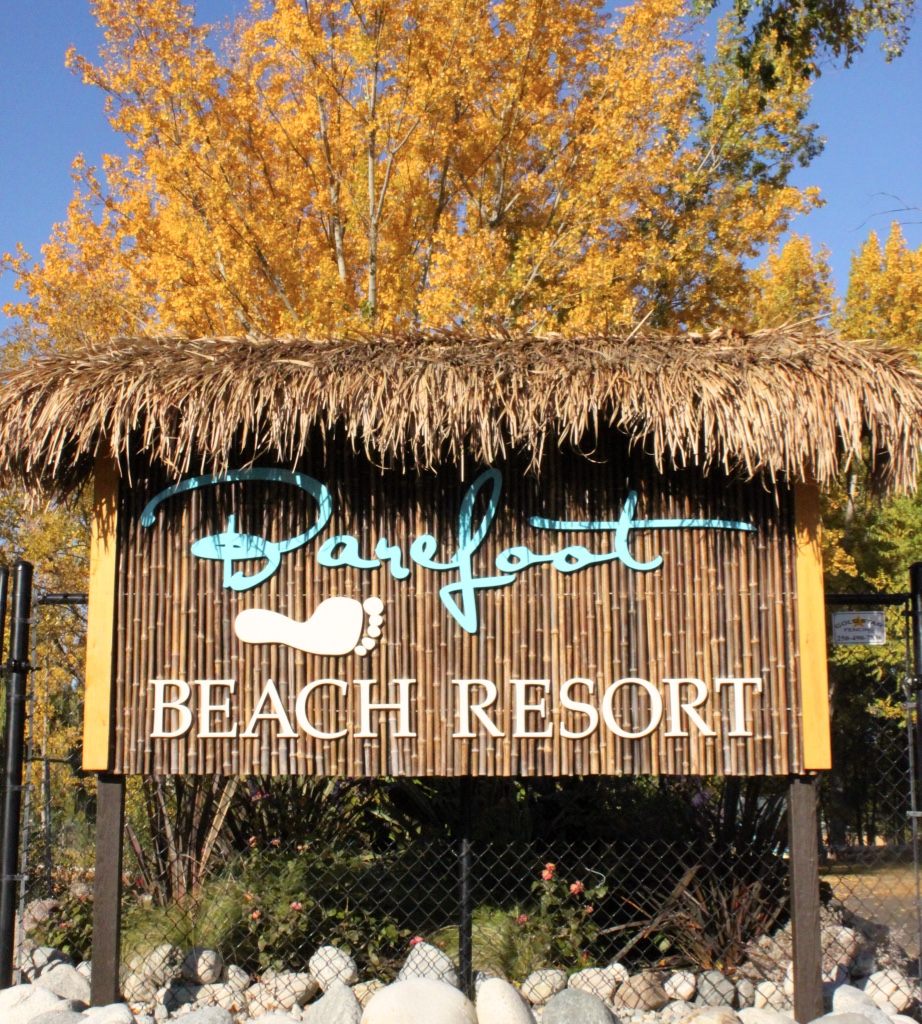
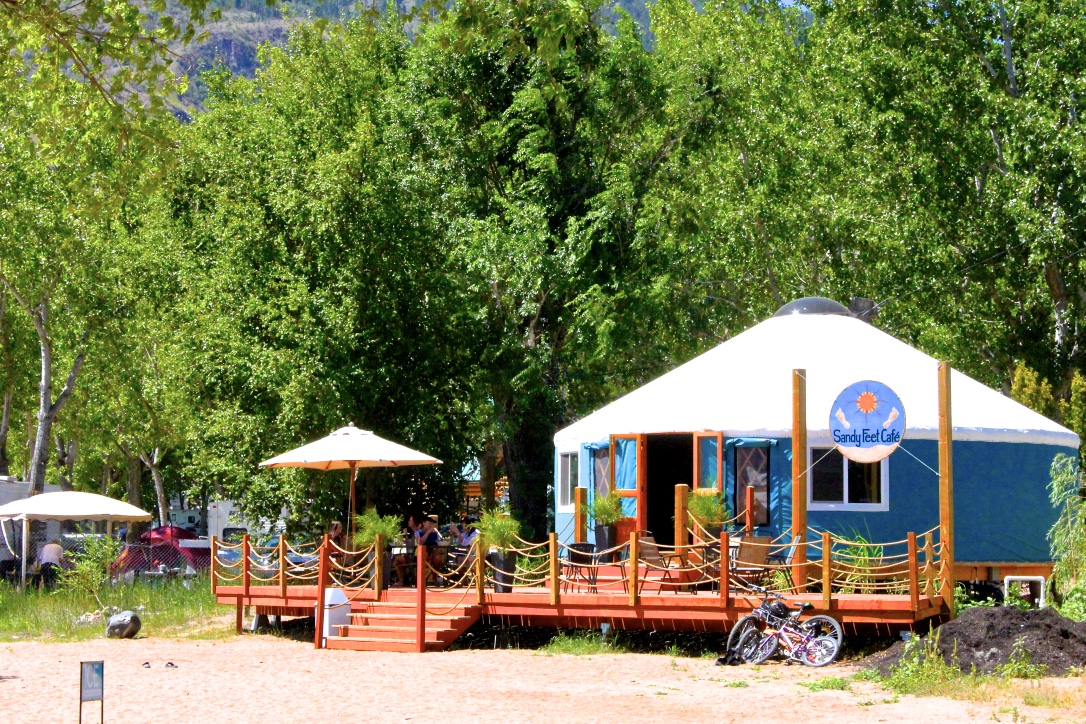
While I was running the resort, I was headhunted for the chairmanship of Tourism Penticton. That led into running for city council in 2014, where I was elected at the top of the polls and served a full term through 2018. Early in my council term, my mentor's son and I started a construction company together. Concrete, excavation, tiltups. Contracts with BC Parks, the City of Penticton, residential foundations. I ran the office. He stayed on the tools.
The Pivot
The self-storage chapter started the way most of my ventures have: I saw something underutilized and couldn't leave it alone.
The construction company had a large piece of land we were using to park dump trucks and excavators. I mapped out how many storage units could fit on the site, ran a quick proforma, and took it to my accountant. His response: "You're way too conservative. Bump those numbers up."
That was all the encouragement I needed.
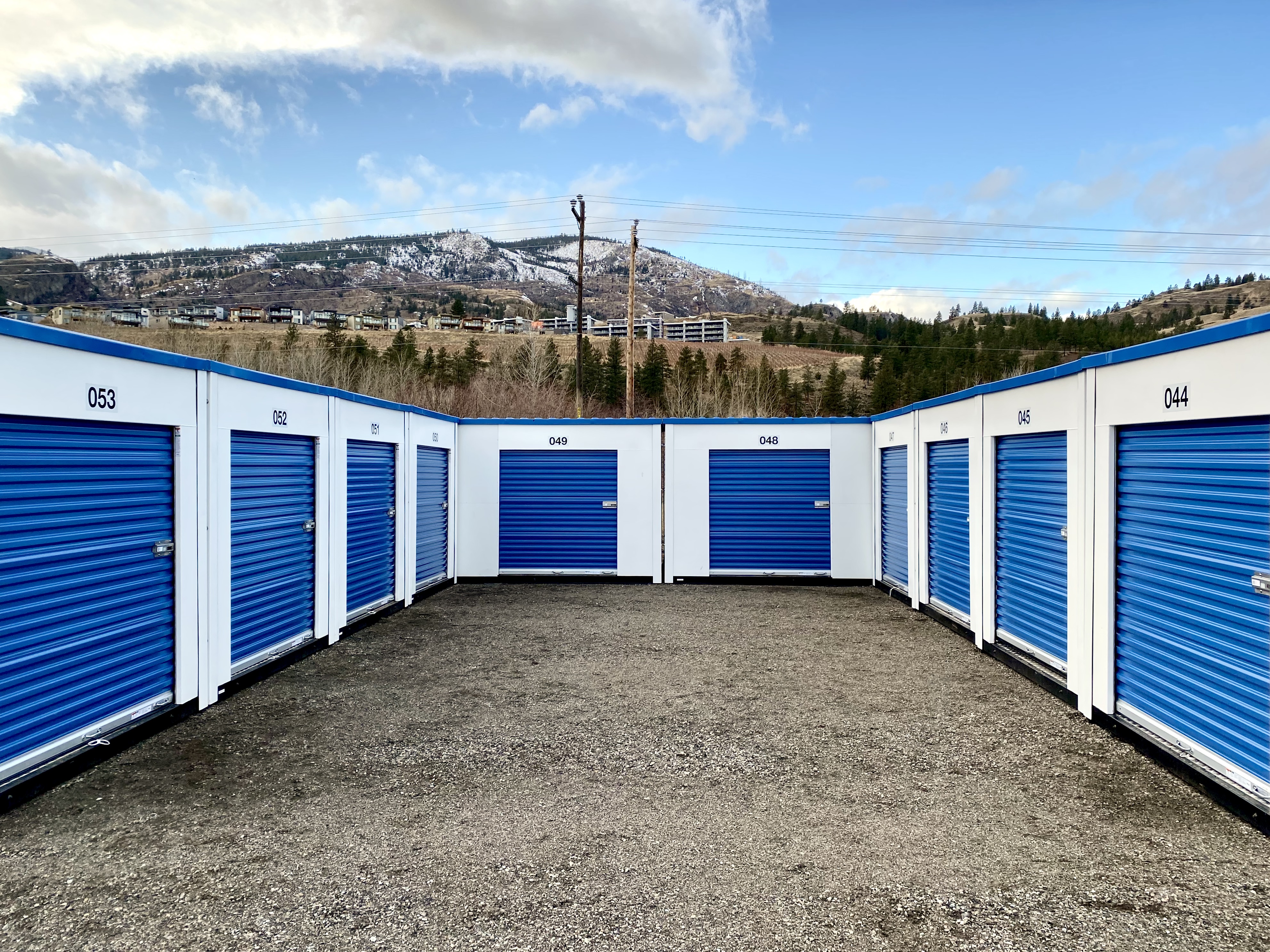
I found modular storage units that could be deployed without building permits, because nothing was permanently fixed to the ground. We broke ground in 2019 and were cash-flowing by January 2020.
90
days from raw land
to operating facility
40
days to reach
100% occupancy
1st
fully automated
facility in Canada
Then I pieced together an automation system: a call center, property management software, and an electronic smart lock. I had to get the original APIs built just to make the hardware and software talk to each other. I didn't realize I'd done anything novel until about 18 months later, at a storage convention in Vancouver, when other operators kept asking how it worked. That's when I learned I'd built Canada's first fully automated, unmanned self-storage facility.
Lessons
That facility attracted attention. Capital markets came calling. Over the next few years, I raised money, consulted on additional developments, and pursued a hub-and-spoke model I believed could scale nationally. Some of it worked. Some of it didn't.
I moved too fast on a partnership with a publicly traded company and had to extract myself. I built a limited partnership from scratch and was ready to deploy, only to watch the investor base evaporate when the Toronto condo market crashed. I had over a million and a half in soft commitments that vanished in weeks. Walking away from the capital that was still on the table was one of the harder decisions I've made, but I knew it wasn't right. I wasn't willing to take responsibility for other people's money unless I was certain I could deliver on it.
Those experiences taught me hard lessons about partnerships, timing, and capital markets. But looking back across my entire career, from the nightclub to the resort to the construction company to storage, I can see a pattern I couldn't see at the time.
I'd build the business around myself, never put the systems in place to operate without me, and eventually burn out from the grind of being the bottleneck in something I'd created. I was no stranger to 15-hour days, and for a long time I told myself that's just what success requires. Work harder. Push through. I didn't see that the systems I never built were the reason I kept hitting the same ceiling, not a lack of effort.
I left money on the table more than once because of it. Exited at lower valuations than I should have. Moved on from things that still had runway.
The lesson took years to land, but it's the one that changed how I think about everything. I'd heard it before, but it never resonated until I'd lived the opposite of it enough times to stop ignoring it.
That realization is now the foundation of every engagement I take on. Build the business. Build the system that runs the business. Then decide what you want to do next from a position of clarity, not exhaustion.
Current Focus
Today I split my time between two things.
Building
Blu Technologies
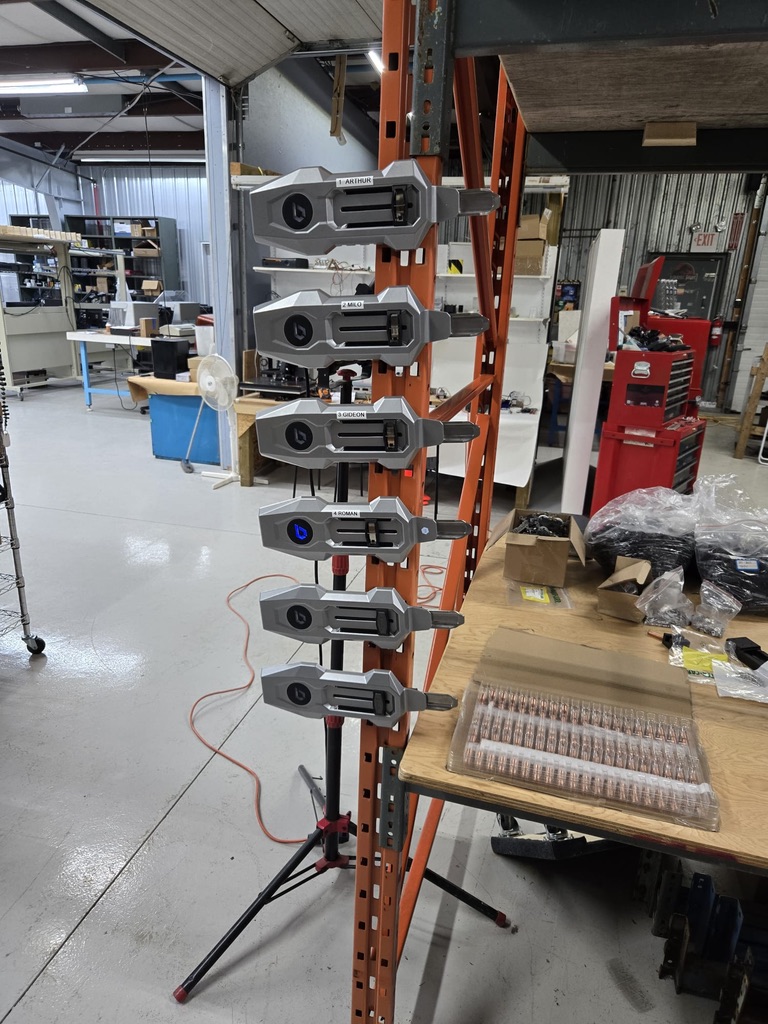
The automated facility I built ran on a smart entry system: electronic locks activated by a Bluetooth app. I was an early adopter, and the technology had serious reliability problems. Thirteen percent hardware failure rates. Batteries that were supposed to last four years dying in six to eighteen months, often without notification. Every failure meant a tenant stranded outside their unit, and me issuing concessions and absorbing reputational damage.
I worked my way up to the president of the manufacturer by name, trying to get the issues resolved. Other operators were having the same problems. Nothing changed.
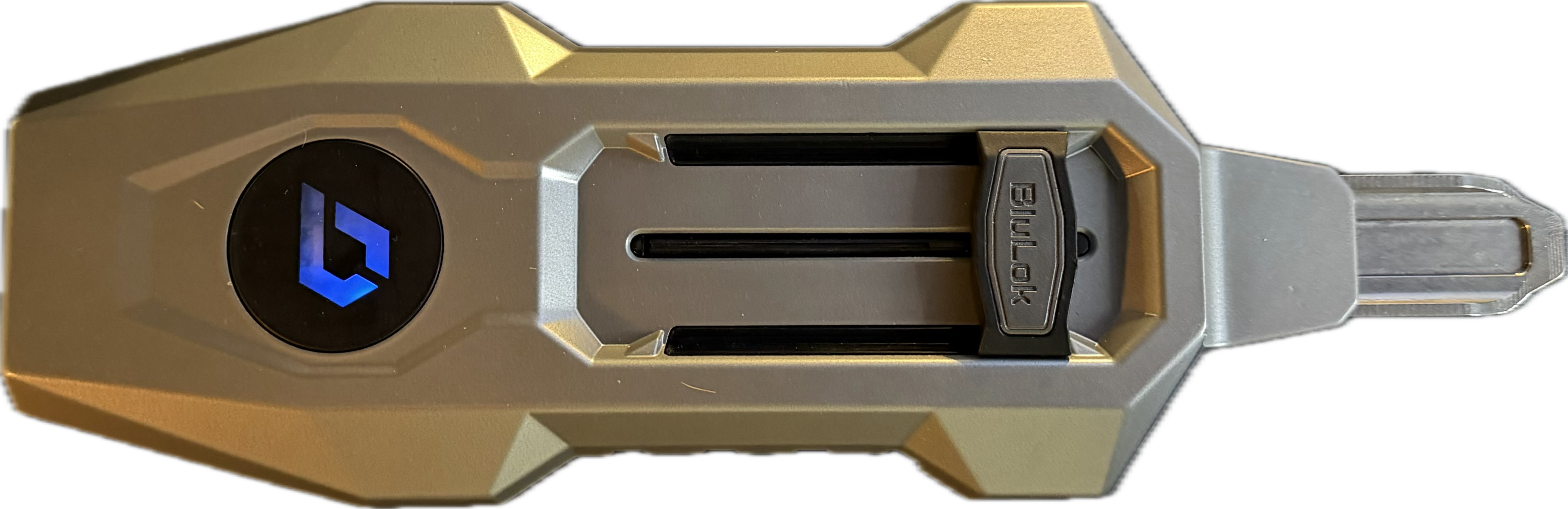
I partnered with industrial automation specialists from oil and gas whose team had built frack pump controllers designed to survive on the side of a 2,500-horsepower vibrating engine for decades of uptime without failure. Their engineering standard: five 9s. 99.999% uptime. During testing, we cycle-tested the lock past 1.2 million operations without a single fault, roughly 500 years of daily use. We live-streamed the test. The engineers thought I was crazy. I told them we were doing it anyway.
That lock became BluLok, and BluLok became the foundation of something larger. Blu Technologies is a vertically integrated company built to reshape how self-storage facilities operate. It starts with the hardware, a smart lock engineered to a standard the industry has never seen, and stacks an intelligence layer and a software control layer on top. The hardware is the moat. In a world where software can be replicated overnight, a physical product with this level of engineering can't be. BluLok is approaching commercial deployment now, and the full vision is a complete operating ecosystem for the storage industry.
Working with people
Advisory and Training
Some of my biggest breakthroughs in my career came through mentorship and coaching. The people who took the time to share what they'd learned saved me years of painful trial and error. I think about that a lot.
I've always given back to my community, whether that was chairing Tourism Penticton, serving on city council, or my time as Vice President of the local cycling association. Advisory work is an extension of that same instinct, just applied to the community of business owners who are in the trenches and know what it feels like.
I work directly with operators who have real businesses generating real revenue but know they're leaving performance on the table. I help them see what's actually happening, build the structure to fix it, and define the path forward. I do it because I find it genuinely fulfilling to watch someone get clarity on a problem they've been grinding against, and because the pattern recognition I've built across twenty years of hospitality, construction, real estate, government, tourism, and tech means I can connect dots that specialists in any single industry can't. A landscaping company hitting a ceiling has more in common with a nightclub owner burning out than either of them would expect. The underlying patterns are almost always the same.
I also run an AI implementation program built specifically for trades and construction businesses. It started when a friend with a landscaping company needed help. I could see how much AI could do for his business, but he had zero exposure to the tools. Most tradespeople are in the same position. They make their money in the field, not at a desk, so they've had less reason to encounter any of it. They've heard it's powerful. They don't know how it applies to what they do. I built a program to close that gap and get them out of the office and back where they actually generate revenue.
Outside of work, I live in Penticton, BC with my wife Desiree and our growing family. We've got a German Shepherd Husky cross named Hemi who thinks he runs the house.
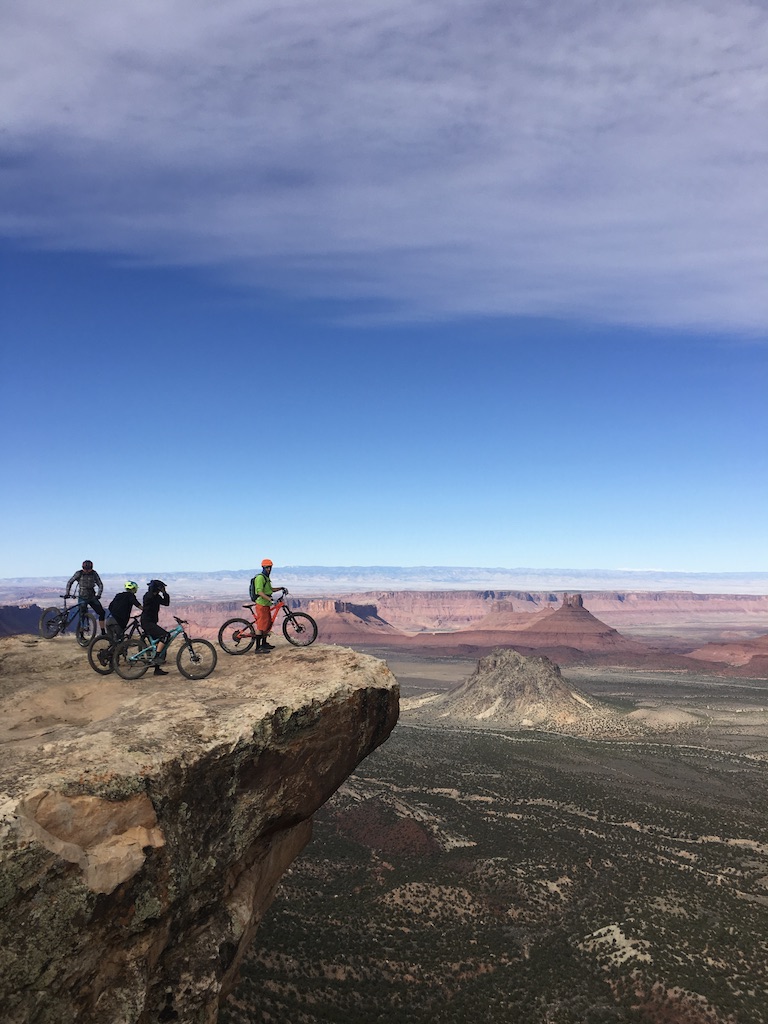
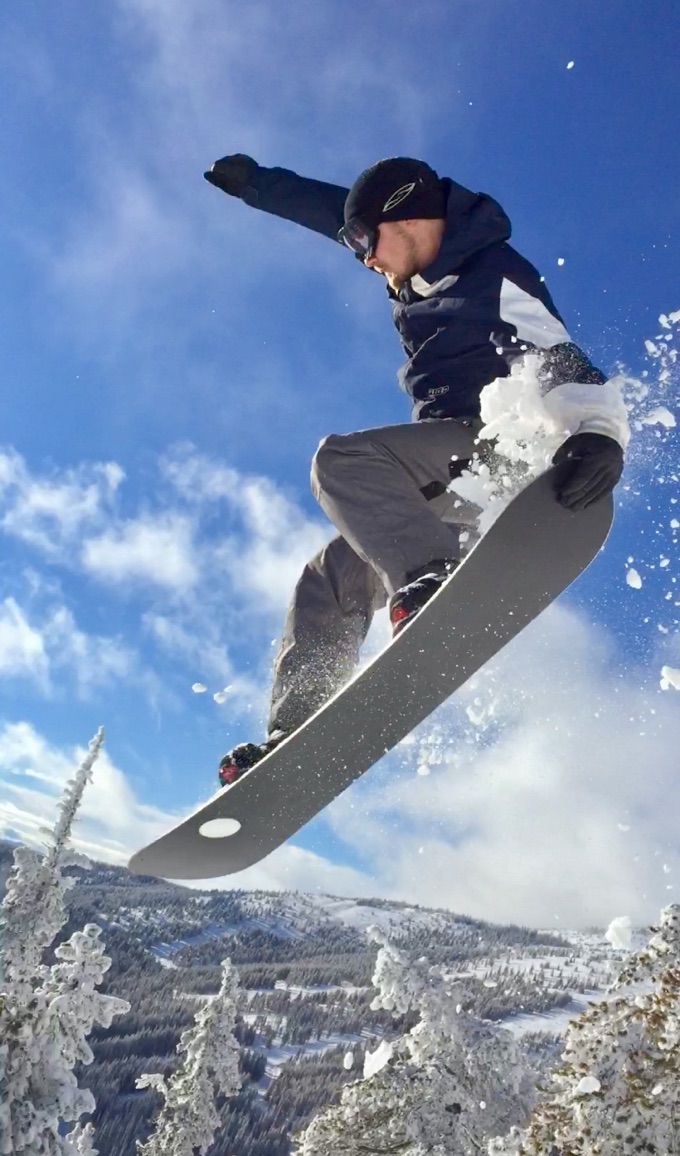
I'm a mountain sports enthusiast. Snowboarding, mountain biking, dirt biking, hiking. If it's in the hills, I'm probably there. I also lift five days a week because building things requires energy and I'd rather manufacture it than borrow it.
If any of this resonates, we should talk.
Get in Touch